

Short answer: An ampuversary is the yearly anniversary of your amputation. People mark it in very different ways: a party with cake, a walk to somewhere new, a thank-you note to the care team, a quiet day, or nothing at all. There is no correct way to handle an amputation anniversary, and it is normal for the date to feel light one year and heavy the next.
The word is a blend of amputation and anniversary. This page is for people coming up on their first one, people ten years in, and the partners and friends who want to get it right. If you would like company for the day, an amputee support group, in person or online, is a good place to share it.
What an ampuversary is, and which date counts
Most people use the date of the surgery, but that is not a rule. Some count from the day they first stood on a prosthesis, left the hospital or walked without a walker. If you had a revision surgery later, you might have two dates, or pick the one that feels like the real start.
People born with a limb difference have no surgery date, and many skip the idea entirely. Others mark a milestone like the day a first prosthesis arrived. Our piece on limb difference awareness (coming soon) covers that side of the community.
Why name the day at all? A date gives shape to something big. For some people the amputation ended a long stretch of pain, infection or failed attempts to save the limb, so the day reads as a turning point. For others it is simply a loss. Often it is both, and the mix changes from year to year.
Ways to mark an amputation anniversary
Pick what fits you this year. Next year you can pick something else.
- Celebrate out loud. Cake, dinner, a toast to the leg that stayed. Dark jokes are allowed if they are your jokes.
- Go somewhere that shows the distance. A trail you could not manage last year, a pool, a first trip back to the gym. If worry about falling keeps you home, our guide to fear of falling after amputation has ways to build confidence first.
- Take the yearly photo. Same spot, same pose. Change you miss day to day is obvious in a row of photos.
- Thank the people who got you here. A card to your surgeon, physical therapist, prosthetist or the ward nurses. They rarely hear how the story turned out.
- Give something back. Donate, volunteer, or tell your story to lawmakers. Becoming a limb loss advocate explains where to start.
- Wear the joke. A shirt with a line only amputees fully get is a low-effort way to mark the day. Our slogan collection was made for occasions like this.
- Keep it quiet, or skip it. A day off and a favorite meal with no posts is valid. So is letting the date pass like any other Tuesday.
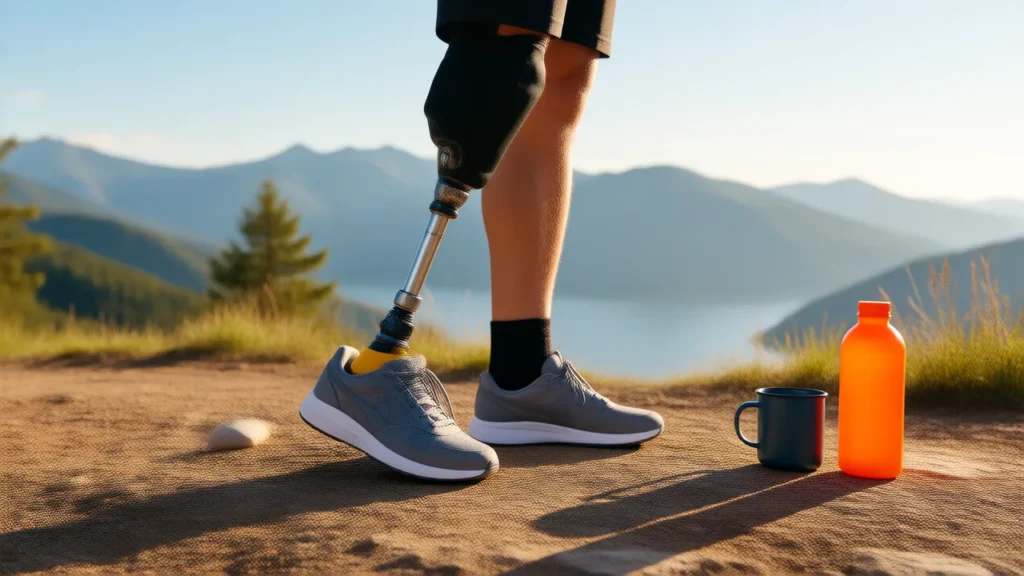
Your first ampuversary compared with year ten
The first one often lands in the hard middle of rehab, while you are still adjusting to a prosthesis and a new routine. It can feel strange to celebrate something that still takes so much work. That is fine.
The weight usually shifts with time. A review of psychosocial adjustment to lower-limb amputation found that depression and anxiety are relatively high for up to two years after amputation, then decline toward general population levels. It linked better adjustment to more time since amputation, social support, satisfaction with the prosthesis and active coping. That is an average, not a schedule: some people feel fine on the first anniversary and hit a wall on the fifth.
When the amputation anniversary is hard
Anniversaries can bring feelings back, especially if the amputation followed an accident, combat or a long illness. You might sleep badly the week before, replay the hospital days, or feel low without a clear reason. The Amputee Coalition’s guide to emotional recovery notes that the stages of recovery and grief can come in any order and last any length of time, so a rough anniversary years later does not mean you are going backward.
- Plan the day ahead instead of waiting to see how you feel.
- Tell one person the date is coming and what you want from them.
- Mute social media if other people’s celebrations sting.
If low mood, anxiety or poor sleep hangs around after the date, or gets in the way of work, eating or relationships, talk to your primary care doctor and ask about a referral to a mental health counselor. If you ever feel unsafe or think about ending your life, reach out right away: the 988 Suicide and Crisis Lifeline is free, confidential and open 24/7 by call, text or chat. Veterans can dial 988 and press 1, or text 838255, through the Veterans Crisis Line, even without VA enrollment.
How family and friends can acknowledge an ampuversary
Ask. “Your ampuversary is coming up. Celebrate, something quiet, or should I forget I know?” covers every option and puts them in charge.
- Put the date in your own calendar so they do not have to remind you.
- Match their tone. Jokes if they want jokes; a short text if they want quiet.
- Skip the pity and the speeches about strength.
- For a present that is not awkward, see our list of gifts people with limb loss actually use.
Partners and caregivers lived through the same hospital weeks, and the date can be heavy for them too. If you handled the appointments and the night shifts, read about respite care for caregivers (coming soon) before the date comes around.
Turning the date into a reason to connect
Some people use their ampuversary as the push to finally meet other amputees. In a 2024 US survey of people with major lower limb amputation, two out of three had received some form of peer support, and peer groups were seen as helpful for both information and emotional support. You can share your anniversary in a group thread, ask your clinic about training as a peer visitor, or save your story for Limb Loss and Limb Difference Awareness Month (coming soon).
A simple plan for your next ampuversary
- Decide a week ahead: loud, quiet or skip.
- Tell one person the plan and what kind of company you want.
- Block the time, even if the plan is to do nothing.
- Have a backup for a heavy day: a friend to call, and 988 saved in your phone.
- Afterward, note what worked, so next year starts easier.
Sources
- Disability and Rehabilitation (Horgan & MacLachlan) — Psychosocial adjustment to lower-limb amputation: a review
- Amputee Coalition — Emotional Recovery
- Archives of Physical Medicine and Rehabilitation (2024) — Utilization and Perception of Peer-Support After Lower Limb Loss in the United States
- 988 Suicide & Crisis Lifeline — If you need emotional support, reach out to the national mental health hotline: 988
- U.S. Department of Veterans Affairs — Veterans Crisis Line
Published by Loud Limb. This guide is general information drawn from the sources listed above, not medical advice. Loud Limb sells printed prosthetic leg covers and clothing and is not a clinic: ask your doctor, surgeon or prosthetist about your own care.
Leave a Reply