
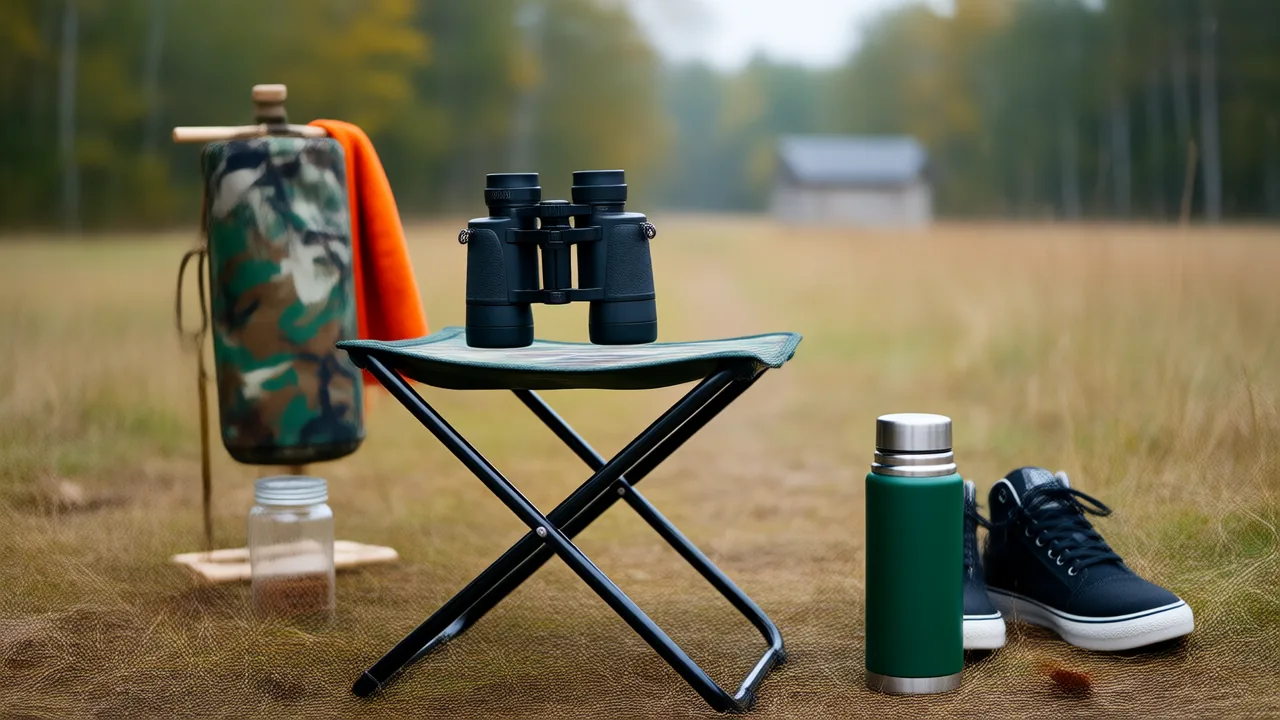
Short answer: Hunting with a prosthetic leg is very doable. The planning shifts to four things: getting over rough ground to your spot without wrecking your skin, choosing a stand or blind you can climb into and sit in safely, staying warm and dry through long, still hours, and finding a shooting position that is steady on your prosthetic side. Adaptive sports programs can help you get started.
This guide is for hunters with limb loss, whether you hunted long before your amputation or never have, and for the friends who hunt with you. It covers terrain, tree stands, blinds, cold, shooting positions and where to find adaptive hunting programs. It is not a guide to firearms or game laws; your state wildlife agency and a hunter education course cover those. For the wider world of sport after limb loss, start with our guide to adaptive sports for amputees.
Hunting with a prosthetic leg starts with the walk in
The walk in is often harder on your leg than the hunt. Fields, creek banks and deadfall put twisting forces through the socket, and you are usually carrying a pack in the dark.
- Scout in daylight. Walk the route before the season so you know where the ditches, logs and wet spots are.
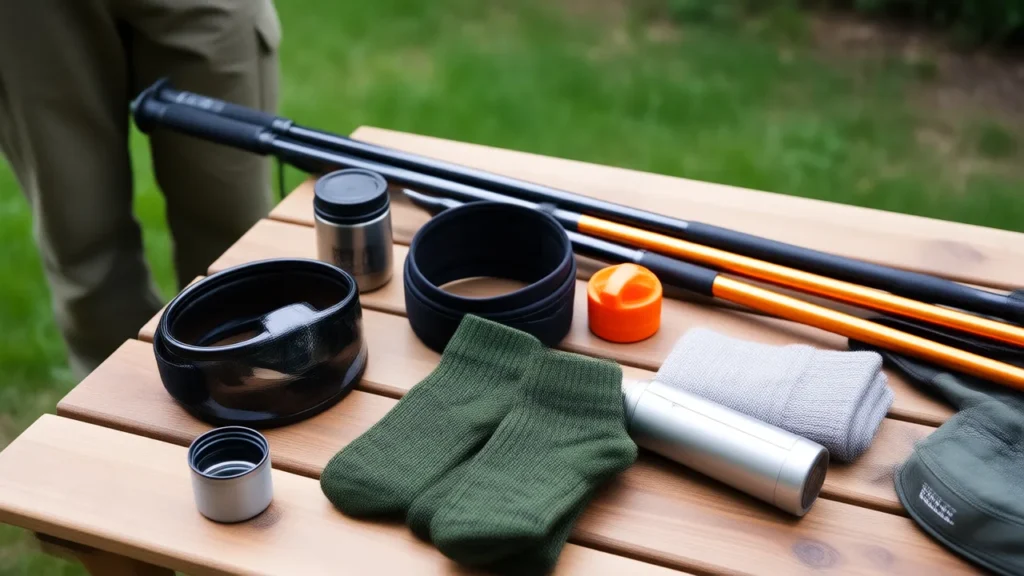
- Use trekking poles or a walking stick for balance on slopes and crossings, and a headlamp so your hands stay free.
- Move the weight off your back. A game cart or sled, or a buddy, makes the haul out a lot easier on your limb than a heavy pack.
- Plan for sweat. A literature review found more than 53% of people with amputation in the studies it covered had heat or sweating discomfort inside their prosthesis. Hiking in warms you up; sitting still for hours then chills a damp liner. Pack a spare prosthetic sock, a small towel and whatever your prosthetist recommends for sweat.
Tree stands with a prosthetic leg: choose the safest setup
Getting up and down is the riskiest part of any elevated hunt, and a prosthetic foot does not feel a ladder rung the way your other foot does. Some ways to cut the risk:
- Prefer wide, fixed steps. A ladder stand with handrails, or an elevated box blind with real stairs, is far easier than screw-in steps or a climbing stand.
- Wear a full-body safety harness and stay connected from the moment your feet leave the ground until they are back on it.
- Haul gear up on a rope. Climb with both hands free, then pull up your bow or unloaded firearm and pack.
- Practice at home first, with a partner, in daylight and dry weather. Notice which foot you lead with going up and coming down, and keep it the same every time.
- Know your exit. Before you commit to a stand, make sure you could climb down tired, cold and in low light.
If a stand feels sketchy, a ground blind is a perfectly good way to hunt. Nobody gets extra points for altitude.
Ground blinds and box blinds: sitting comfortably for hours
A blind lets you sit in a proper chair, stretch your leg out and shift position without spooking anything. Look for a chair at a height that lets you stand up without a lurch, and enough floor space to straighten your prosthetic side.
You may want to take the prosthesis off during a long sit. If you do, keep it within arm’s reach, practice putting it back on quietly and quickly, and make sure you can get out of the blind without it if you have to. Ask your prosthetist first whether long periods of sitting in the socket, or taking it on and off in the field, are a concern for your limb.
Cold, long sits and your residual limb
Cold is the underrated problem. Cleveland Clinic describes frostbite as skin damage from temperatures below 32°F, and notes that peripheral vascular disease and diabetes raise the risk. Symptoms can include pain, numbness, swelling, blisters and skin discoloration. Numbness is hard to read if part of your limb already has reduced feeling, so check your skin at breaks rather than trusting sensation.
Cold can also stir up phantom pain: the Amputee Coalition lists exposure to cold and changes in barometric pressure among possible triggers. Layer up, keep your residual limb and the socket area insulated, change out of a damp sock before you get cold, and ask your prosthetist how your liner and any powered parts behave in freezing weather.
A steady shot from the prosthetic side
Standing and kneeling shots ask a lot of balance, especially over a prosthetic foot. Sitting or supported positions take most of that job away:
- Shooting sticks, a bipod or a rest take the balance job off your legs.
- Seated shooting from a stable chair in a blind is steady and repeatable.
- Kneeling works for some people and not others; try it at the range on a pad before you rely on it.
Spend range time in the exact position you will hunt from, wearing your hunting clothes and boots. Target shooting is a good off-season habit anyway.
Adaptive hunting programs and help with gear
You do not have to figure this out alone. Move United says it offers more than 70 adaptive sports through a network of more than 245 local organizations. Ask the chapters near you whether they run hunting or shooting programs, or know someone who does.
- Grants: the Challenged Athletes Foundation says its grants cover adaptive sports equipment, prosthetics, coaching and more. Check whether your hunting needs fit its categories before you apply.
- Your state wildlife agency: ask whether it has accommodations or special permits for hunters with disabilities, and what documentation it wants.
- A spare leg: an older prosthesis sometimes becomes a dedicated field leg, if your prosthetist agrees it still fits safely. If it doesn’t, you can donate the used prosthetic leg instead.
Save the loud printed leg cover for the drive home, by the way. In the stand, you want to disappear.
When to call your prosthetist or doctor
Call your prosthetist if the socket rubs, pinches or slips on the walk in, if you need a lot more sock plies by the end of a hunt, or if your foot or knee starts making new noises after a wet or muddy season. Stop wearing the leg and call your doctor for an open sore or blister, spreading redness, swelling, skin that stays pale, gray or numb after warming up, or new severe pain.
Before opening day
- Walk your route and test your stand or blind in daylight.
- Pack spare socks, a towel, a headlamp, poles and your harness.
- Practice your shooting position at the range.
- Tell someone where you will be and when you expect to be back.
Hooked on the outdoors? The same planning carries over to skiing (coming soon), kayaking (coming soon), surfing (coming soon) and rock climbing (coming soon).
Sources
- Journal of Rehabilitation Research and Development — Prevalence of heat and perspiration discomfort inside prostheses: literature review
- Cleveland Clinic — Frostbite: Signs & Symptoms, Stages, Treatment & Prevention
- Amputee Coalition — Living With Phantom Limb Pain
- Move United — Our Mission & Impact
- Challenged Athletes Foundation — CAF Grants
From the Loud Limb shop: printed crew socks and printed athletic shorts.
Published by Loud Limb, a shop for printed prosthetic leg covers, socks and clothing.