
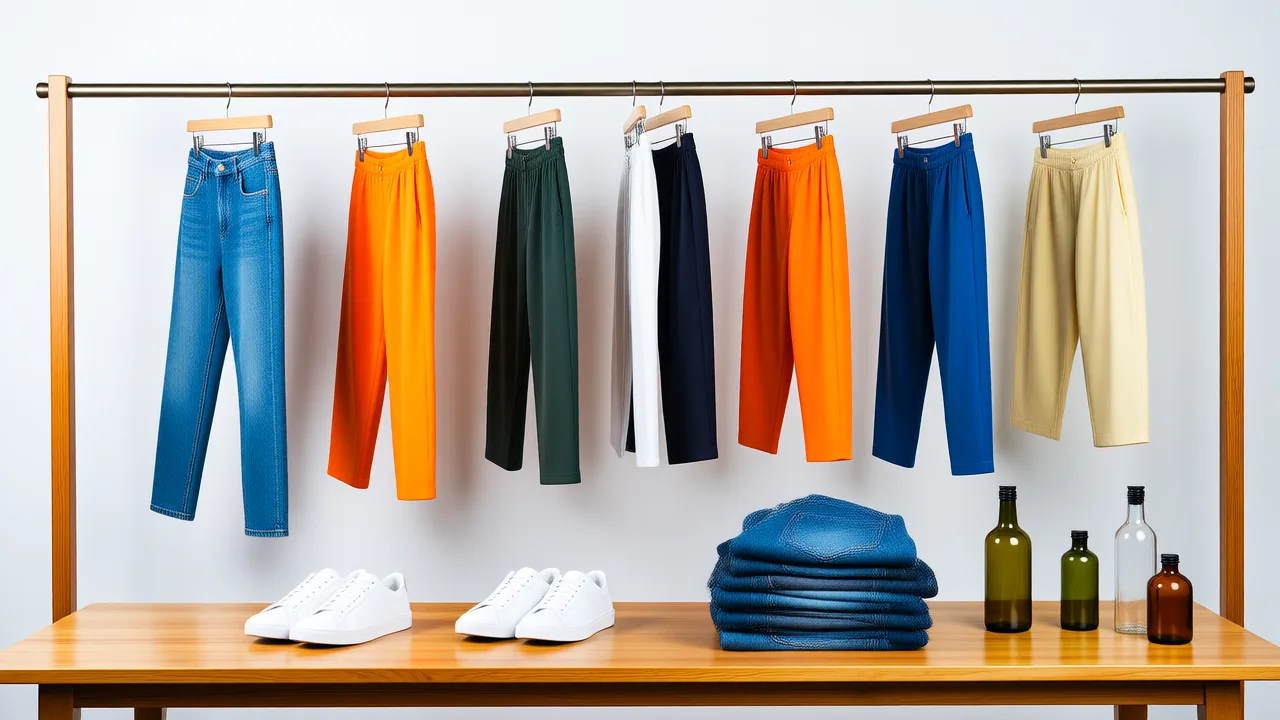
Short answer: You can buy adaptive clothing from mainstream retailers that carry adaptive lines (mostly online), specialist adaptive clothing companies, small labels started by disabled designers, athletic brands with easy-on shoes and pants, and shoe exchanges for single shoes. For leg amputees, a good local tailor is often the best store of all, because regular clothes can be altered to fit a prosthesis.
This guide is for leg amputees, people with limb difference and the family members doing the shopping. It sorts where to buy adaptive clothing by type of store, explains how to size up a brand without taking its marketing on faith, lists the features that actually matter with a prosthetic leg, and covers when altering what you already own beats buying new.
If you are still working out what adaptive clothing can do for you in the first place, start with our guide to clothing that works around a prosthesis. This page is about where to find it.
Where to buy adaptive clothing: the main types of stores
Adaptive lines come and go, and a collection that was on the shelf last year may be online-only or gone this year. So rather than a list of shops that may be stale by the time you read it, here are the kinds of places to look, and what each tends to be good at.
| Where to look | What you tend to find | Worth knowing |
|---|---|---|
| Mainstream retailers with adaptive lines | Everyday jeans, pants, tops and shoes with easier closures | Often online-only; check the return policy for adaptive items |
| Specialist adaptive clothing companies | Clothes for dressing while seated or with help, side-opening pants, wrap tops | Many are designed around caregivers and wheelchair users, so check the fit for walking on a prosthesis |
| Small independent labels | Pants with prosthetic access zips, shorts, activewear | Often started by disabled designers; smaller size ranges and runs |
| Athletic and outdoor brands | Easy-entry sneakers, side-zip and convertible pants | Not labeled adaptive, but many features overlap |
| Shoe exchanges and resale sites | Single shoes and mismatched pairs | Useful if you only need one shoe or two different sizes |
| Local tailors and alteration shops | Your own clothes, changed to fit | Often the best value for pants |
The Amputee Coalition keeps a page of adaptive clothing resources, which is a reasonable place to start a search. It describes adaptive clothing as one of the high- and low-tech aids for daily living, and makes a point worth keeping in mind while you shop: it should benefit the wearer both physically and psychologically. Clothes you can get on but hate wearing do not count as a win.
From the Loud Limb shop: printed athletic shorts and amputee tees & hoodies.
Adaptive clothing brands: how to size one up
Brand claims are marketing, not measurements. Before you order, check:
- Who it is designed for. Clothing built for people who sit most of the day is cut differently from clothing for someone walking on a below-knee or above-knee leg. The product description usually tells you.
- Where the openings are. A zip on the outer seam is only useful if it runs far enough to reach your socket, knee or liner.
- Returns. Some retailers treat adaptive items differently. Know the policy before you pay.
- Size range and inseam options. Length matters more than usual when one leg ends in a prosthetic foot.
- Photos of the real garment. Look for close-ups of zips, magnets and hems, not just styled shots.
Features to check with a prosthetic leg
The Amputee Coalition’s resource page lists typical adaptive features such as magnetic closures instead of buttons or zippers, and flat hems that are less likely to snag. For leg amputees, a few more make a real difference:
- Leg openings wide enough to pass over the prosthetic foot and shoe without a fight.
- Side or inseam zips that let you reach the socket, valve or liner, or take the leg off without taking your pants off.
- Tough fabric or a reinforced patch where the socket edge, knee or foot rubs. Prosthetic hardware wears holes in regular fabric fast.
- Smooth seams in the right places. Cleveland Clinic notes that chafing happens where skin rubs repeatedly against skin, fabric or other materials, and that sweating raises the risk. A thick seam across the socket brim is asking for trouble.
- Stretch and breathability around the thigh and socket area.
Pants are where most of this comes together, and our guide to pants that work with a prosthetic leg goes through cuts, fabrics and fixes in detail. For cold weather, layers and boots bring their own problems; see winter clothing for amputees.
Adaptive clothing stores for shoes, including single shoes
Shoes are their own shopping trip. The Amputee Coalition’s shoe exchange page lists the National Odd Shoe Exchange, which accepts matched pairs, mismatched pairs, singles and bulk footwear, and OddShoeFinder.com, where you can buy, sell or give away single shoes or mismatched pairs. It also notes that some for-profit retailers sell single or mismatched shoes, sometimes at a discount.
Before you buy, know what your prosthetic foot needs: heel height, width and how the shoe goes on. Our guides to shoes for a prosthetic foot (coming soon) and buying single shoes (coming soon) cover both halves of that.
Altering regular clothes instead of buying adaptive
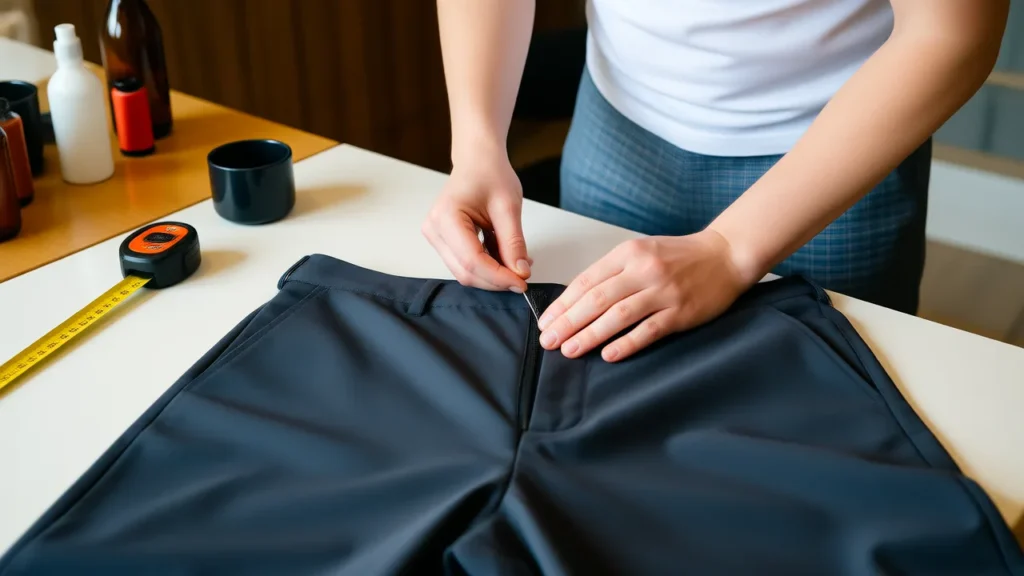
A lot of adaptive clothing is regular clothing with a few changes, and a tailor can often make those changes to clothes you already like. Things worth asking an alterations shop about:
- Adding a zip to the outer seam of one pant leg, from the hem up to the socket or knee.
- Hemming each leg separately, since a prosthetic foot and shoe can sit differently from your sound side.
- Reinforcing the inside of the pant leg with a durable patch where the prosthesis rubs.
- Swapping buttons for magnetic closures or hook-and-loop tape if your hands or balance make buttons slow.
- Adding pull loops inside waistbands or boots to make them easier to pull on seated.
Take the prosthesis with you, or wear it to the fitting, so the tailor can see where the hardware sits. It is the fastest way to explain what you need.
Help paying for clothing damaged by a prosthesis
Veterans have a specific benefit here. The VA clothing allowance is an annual payment for veterans with a service-connected disability whose prosthetic or orthopedic device damages their clothing. VA collects applications all year and holds them until an August 1 closing date. You apply with VA Form 10-8678 through the prosthetic representative at your local VA medical center, and more than one allowance may apply if you have more than one device or it affects more than one type of clothing. Check the VA page for your own case.
Shopping for kids, and for a style that’s yours
Children’s adaptive clothing is its own market, with growth, school and independent dressing all in play. Our guide to adaptive clothing for kids (coming soon) covers what to look for.
And adaptive does not have to mean beige. If you wear a below-knee leg, a printed prosthetic leg cover goes over the outside of the finished leg, and bright printed crew socks on the sound foot are an easy way to make an outfit look deliberate.
When rubbing is more than a clothing problem
New clothes can rub in new places. Cleveland Clinic lists redness, irritation, itching, raised bumps and a stinging or burning feeling among the signs of chafing. If a seam or waistband keeps marking the skin near your socket, try a different garment first. If the irritation does not settle, or it shows up at the socket edge itself, see your prosthetist, since the socket or liner may be the real cause. Stop wearing the prosthesis and call your doctor for broken skin, an open sore, redness that spreads, or fever.
Before you order: a quick checklist
- Measure your inseam on both sides while wearing your prosthesis and usual shoes.
- Check where zips, magnets and seams sit against your socket and knee.
- Read the returns policy for adaptive items.
- Price a tailor’s changes to clothes you already own.
- Buying for someone else? Our gift guide for amputees has ideas that fit.
Sources
- Amputee Coalition — Adaptive Clothing Resources
- Amputee Coalition — Shoe Exchanges
- Cleveland Clinic — Chafing: Causes, Treatment and Prevention
- U.S. Department of Veterans Affairs — VA Clothing Allowance
Published by Loud Limb, a shop for printed prosthetic leg covers, socks and clothing.
Leave a Reply