
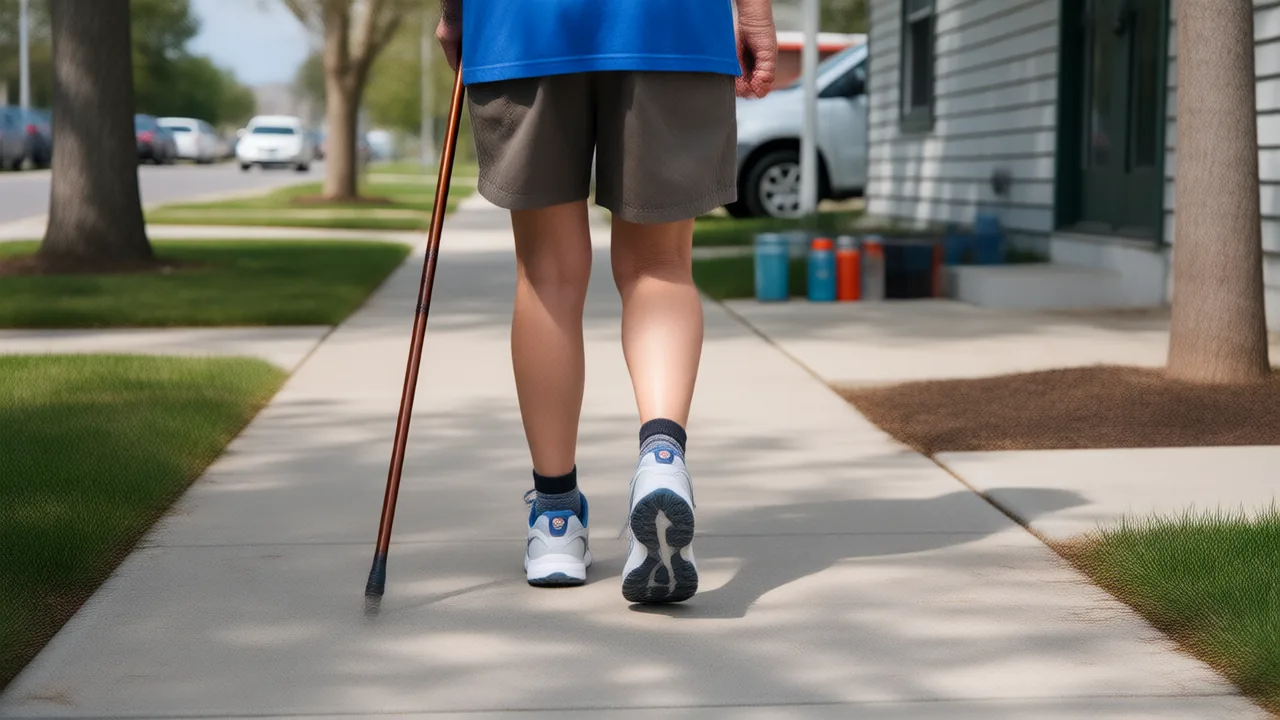
Short answer: Toe amputation recovery has no single timeline. How long it takes depends on why the toe was removed, which toe it was, how well blood reaches your foot, and whether infection or other complications show up. Most of the work is the same for everyone: protect the wound, bear weight only as your surgeon allows, relearn walking and balance, get the right shoes, and check both feet every day.
This guide is for anyone recovering from losing one or more toes, and the people helping at home. Toe amputation is far from rare. In a 2024 analysis of US insurance claims commissioned by the Amputee Coalition, toe amputations were the most common amputation procedure, and 57.6% of people had diabetes before their amputation. Where your toe fits in the bigger recovery picture is covered in our amputation recovery timeline.
How long do toe amputations take to heal?
Honestly, it varies, and anyone who gives you a number without knowing your circulation is guessing. The MedlinePlus discharge instructions after foot amputation say recovery time may vary depending on your overall health and any complications. The biggest factors:
- Why the toe was removed. An injury in someone with healthy blood flow is a different recovery from an amputation for a diabetic ulcer or gangrene.
- Blood flow. The CDC explains that nerve damage and poor blood flow from diabetes raise the risk of foot ulcers. Poor circulation also makes it harder for any wound on the foot to heal.
- Smoking. MedlinePlus notes that smoking can affect blood flow and slow healing. Our guide to smoking and amputation (coming soon) covers why and what helps you quit.
- Infection and blood sugar. An infected wound or high blood sugar can stretch recovery out.
- Which toe. Big toe amputation recovery time can be longer and more involved than a smaller toe’s, because the wound is usually bigger and the big toe carries more of your weight when you push off.
Ask your surgeon for your own expected milestones: when stitches come out, when you can bear weight, when you can wear a normal shoe. Write them down; they’re your real timeline.
The first weeks at home: wound care and weight-bearing
Your discharge instructions are the rulebook. They will likely cover:
- Keep the dressing clean and dry and change it exactly as shown. Don’t soak the foot until your surgeon says the wound is closed.
- Follow your weight-bearing orders. You may be told to keep weight off the foot entirely, or to walk only in a special post-op shoe or boot that keeps pressure off the front of the foot. Use crutches, a walker or a knee scooter as prescribed.
- Elevate the foot when resting if your team tells you to, to help with swelling.
- Manage blood sugar closely if you have diabetes. It is part of wound care, not a separate job.
- Keep appointments for wound checks, even when things look fine.
If your mood dips during this stretch, say so. MedlinePlus suggests asking your provider about a mental health counselor if you feel sad or depressed after a foot amputation.

Walking again after toe amputation
Once your surgeon clears you to put weight on the foot, walking usually returns in stages: post-op shoe or boot first, then a regular shoe, often with an insert. Your first steps in a normal shoe may feel odd, because the front of your foot is loading differently than it used to.
A physical therapist can help a lot here, especially after losing a big toe. The big toe plays a major part in pushing off at the end of each step, so without it your stride may shorten, you may roll toward the outside of the foot, or you may start favoring the other leg. Therapy can work on:
- Strength in the foot, ankle, calf and hip
- A more even stride and push-off
- Walking on stairs, slopes and uneven ground
- Confidence, so you don’t start avoiding walking
Ask your doctor for a referral if you weren’t given one. You don’t need to lose a whole foot to benefit from gait training.
Balance after losing a toe
Toes help you balance by gripping and making tiny corrections as you stand and walk. After losing one, especially the big toe, you may notice more wobble standing on that foot, turning quickly, or walking in the dark.
- Practice the balance exercises your therapist gives you, near a counter or sturdy chair.
- Keep night lights on the route to the bathroom and clear floor clutter.
- Avoid walking in socks on smooth floors.
- Take stairs with a handrail until you’re confident.
If you also have neuropathy, you may not feel the ground well, which makes balance harder still. Tell your doctor about any falls or near-falls, even ones that didn’t hurt.
Shoes, inserts and toe fillers
The right shoe protects the foot you have left. After a toe amputation, the gap where the toe was can let your foot slide forward, let the other toes drift, or create new pressure points. Your podiatrist, orthotist or pedorthist may recommend:
- A toe filler or custom insole that fills the space and spreads pressure.
- Extra-depth or wide shoes with room for an insert and no tight spots.
- Stiffer soles or a rocker sole in some cases, to reduce stress on the front of the foot when you push off.
The Amputee Coalition’s foot check guide says your shoes may not fit properly if your toes feel squeezed or your heel moves up and down, and advises not wearing the same shoes and socks every day. The CDC adds for people with diabetes: never go barefoot, and check inside your shoes for pebbles or objects before you put them on.
Protecting both feet from here on
This is the part of toe amputation recovery that lasts for life. If diabetes or poor circulation was behind the amputation, the same conditions still affect the rest of that foot and the other one. A 2026 meta-analysis in the Journal of Vascular Surgery of people who had partial foot amputations for diabetic foot ulcers found later major amputation rates of 0–10% after toe or metatarsal amputations, and 8–54% after transmetatarsal amputation. Those are group averages, not your future, but they show why prevention matters.
The CDC says early treatment of foot problems greatly lowers the risk of amputation. The habit that makes early treatment possible is simple: check your feet every day, even if they feel fine. The Amputee Coalition suggests checking the tops and bottoms of both feet, between the toes and the toenails, using a mirror or a helper if needed. Our guide to protecting your other foot after amputation has the full routine.
If a wound doesn’t heal or more tissue has to be removed, your surgeon may talk about a larger procedure. Our guides to ray amputation (coming soon) (a toe plus part of the long bone behind it) and recovering from a partial or full foot amputation (coming soon) explain those. If you have neuropathy and notice your foot changing shape, warmth or swelling without a wound, read up on Charcot foot (coming soon) and tell your doctor promptly.
When to call your surgeon or podiatrist
Call your surgeon right away if you notice any of these at the amputation site: redness that spreads or red streaks, the foot feeling warmer, new or increased swelling, drainage or pus, a bad smell, the wound opening, skin turning dark, a fever, or pain that’s getting worse instead of better. With diabetes or poor circulation, don’t wait to see if it settles.
Call your podiatrist or doctor soon for a new blister, callus, crack or sore on either foot, a shoe that rubs, or numbness or tingling that’s new or getting worse.
Your toe amputation recovery checklist
- Write down your surgeon’s milestones: stitches, weight-bearing, normal shoes.
- Follow your weight-bearing orders, even when the foot feels fine.
- Keep blood sugar in range and stop smoking if you smoke.
- Ask for physical therapy for gait and balance.
- Get fitted for the right shoes and inserts before going back to everyday footwear.
- Check both feet every day, and call early when something changes.
Sources
- MedlinePlus (NIH National Library of Medicine) — Foot amputation: discharge
- CDC — Your Feet and Diabetes
- Amputee Coalition — Take A Seat & Check Your Feet
- Avalere Health for the Amputee Coalition (2024) — Prevalence of Limb Loss and Limb Difference in the United States
- Journal of Vascular Surgery (2026) — A systematic review and meta-analysis on partial foot amputation in diabetic foot ulcers
Published by Loud Limb. This guide is general information drawn from the sources listed above, not medical advice. Loud Limb sells printed prosthetic leg covers and clothing and is not a clinic: ask your doctor, surgeon or prosthetist about your own care.