
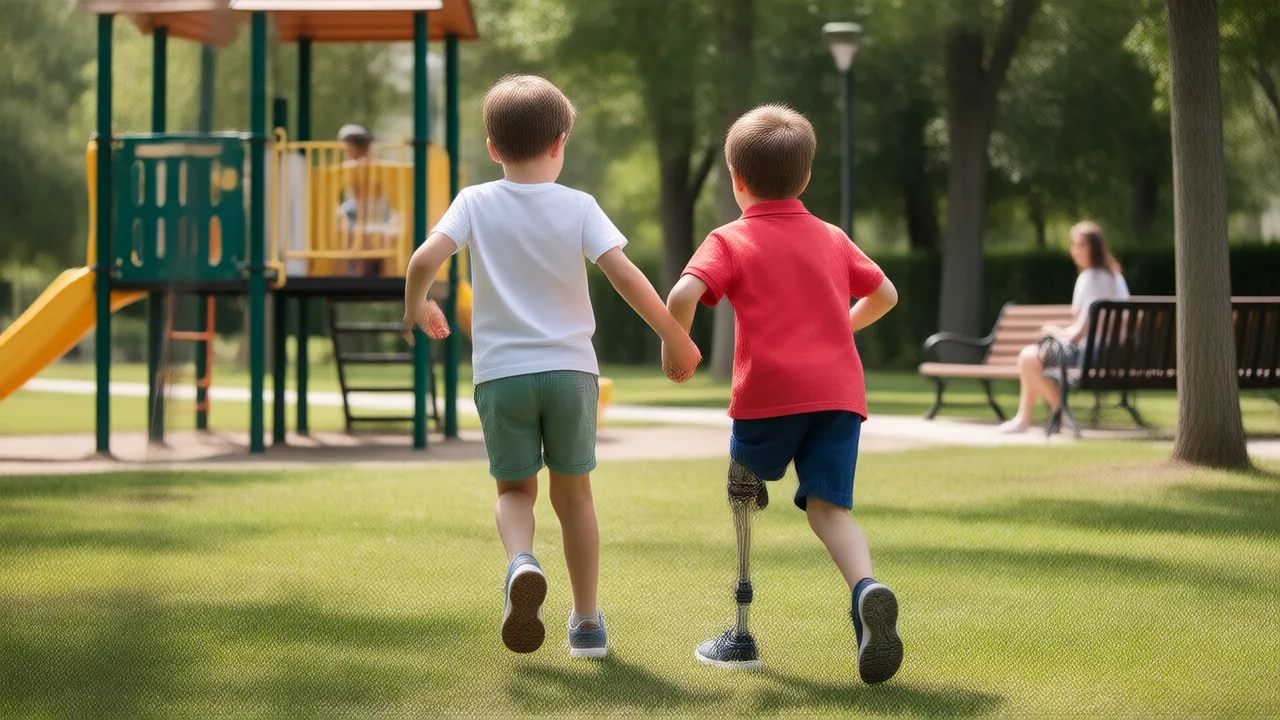
Short answer: Limb difference in kids means a child’s arm or leg is shorter, shaped differently, or partly or fully missing. It can be congenital, meaning present from birth, or acquired later through an injury or illness that leads to amputation. In US pediatric amputee clinics, about 60% of children have a congenital limb difference. Most kids adapt in their own way, with a care team helping as they grow.
This guide is for parents who just heard the words “limb difference” at an ultrasound or in a delivery room, families adjusting after a child’s amputation, and grandparents, teachers and coaches who want to get it right. It explains what limb difference means, the difference between congenital and acquired, how kids adapt, when prosthetics come in, and how to handle school, sports and the questions other people ask.
Every child is different, and so is every limb difference. Use this as a map, then lean on your child’s care team for the specifics.
What is limb difference? The meaning in plain words
“Limb difference” is an umbrella term. It covers anyone whose arm, hand, leg or foot is different in size, shape or completeness from what is typical. The Amputee Coalition’s estimate of limb loss and limb difference in the US counts more than 5.6 million people living with one or the other: about 2.3 million with limb loss and another 3.4 million with limb difference. The organization notes that even that figure is an undercount.
You will hear several related words, and it helps to know them:
- Limb difference: the broad, everyday term, and the one many families prefer.
- Congenital limb difference or limb deficiency: a difference present at birth.
- Limb reduction defect: the term the CDC uses when part or all of an arm or leg does not form completely before birth.
- Limb loss or amputation: when a limb or part of a limb is removed, by injury or surgery.
Doctors may also use specific names for particular differences, such as symbrachydactyly (short, webbed or missing fingers on one hand). The label matters less than what your child can do and what support they need to do more.
Limb difference in children: congenital vs acquired
According to the Amputee Coalition’s introduction for parents, about 60% of children seen in US pediatric amputee clinics have a congenital limb difference and 40% have acquired limb loss. The two paths often look very different from a family’s point of view.
Congenital: present from birth
The CDC’s page on limb reduction defects estimates that about 1 in every 1,852 US babies is born with one. In many families, nobody ever finds out exactly why. The CDC lists some known risk factors, including certain chemical or virus exposures, some medications and tobacco smoking during pregnancy, but many cases have no identified cause. If you are a parent wondering whether you did something wrong, ask your child’s doctor or a genetic counselor to go through it with you. The answer is very often that nothing could have been done differently.
One specific cause is amniotic band syndrome, where bands of tissue inside the womb wrap around a developing limb. Our guide to amniotic band syndrome explains what it is and how it is treated, and our guide to congenital limb difference (coming soon) covers the main types, diagnosis and first steps after birth.
Acquired: limb loss after birth
Children can also lose a limb after birth, through accidents, infections, cancer and other illnesses. One cause surprises many parents. The Amputee Coalition’s lawnmower safety page says that for children under 10, lawn mowers are the most common cause of major limb loss, and that in many cases adults did not realize the children were near the mower. Keep kids inside or well away while any mower is running, and never give them rides.
A child with acquired limb loss is also grieving a body they remember, recovering from surgery, and often dealing with pain. Their care looks more like adult amputation care in the early months, with extra attention to growth and to how they feel about the change.
How kids with limb difference adapt
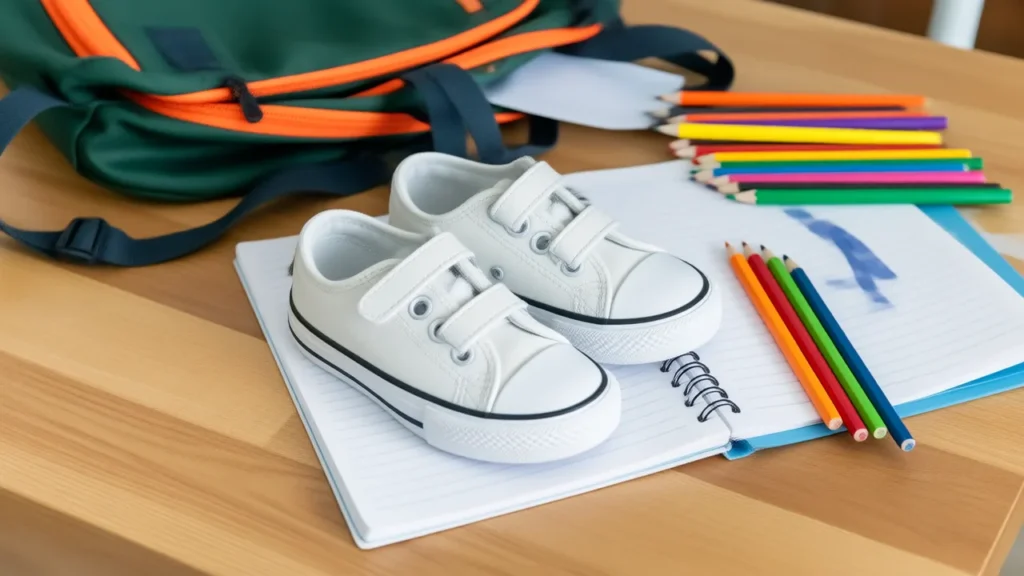
This is often the most reassuring part for parents. Nationwide Children’s Hospital’s article on limb loss and milestones says children with a congenital limb deficiency do not experience a feeling of “loss.” They work toward the same milestones as other kids, in their own way. A child born without part of a hand has never had that hand, so they learn to grip, climb and play with the body they have.
That shapes how adults can help. Some practical principles:
- Let them figure it out first. Kids often invent solutions adults would never think of. Step in when they ask, or when frustration is getting in the way.
- Talk about the difference openly and matter-of-factly. It is a fact about their body, like height or hair color, not a secret.
- Watch for the moments that are hard, like a new school, a growth spurt or a new sport, and check in without making it a big deal.
The same article notes that congenital limb differences most commonly affect the arm, while traumatic limb loss in young children more often involves the leg. That matters when you think about prosthetics, because arms and legs are very different decisions.
Prosthetics for kids: when, why and how often
Not every child with limb difference needs or wants a prosthesis. The Nationwide Children’s article explains that prosthesis use for children should match their level of functional development, such as sitting, grasping, crawling, standing and walking. It also notes that children with upper-limb differences often prefer not to use a prosthesis until they are much older, since no prosthesis gives them skin sensation, and that if a young child is not interested, it is never too late to revisit the idea as their needs and body image change.
Leg differences are a different story, because a prosthesis often plays a big role in standing and walking. A pediatric team will usually time a first leg to your child’s development and adjust it constantly as they grow. Our guide to prosthetic legs for kids (coming soon) covers timing, what a child’s leg looks like, how often it needs changing and how to work with a pediatric prosthetist.
Two practical questions come up fast with a child on a prosthetic leg:
- Shoes. A prosthetic foot has to fit into a shoe, and kids go through shoes quickly. Our guide to kids’ prosthetic shoes (coming soon) covers sizing, heel height and making shoe shopping less painful.
- Running. Many kids want to run like their friends, and some get a running-specific leg. Our guide to running blades for kids (coming soon) explains who they suit and how families find funding.
Talking about limb difference at home and in public
Kids take their cues from the adults around them. If you talk about the limb difference calmly and plainly, they will learn that it is something they can talk about too.
- Give your child simple words for it early, and let them choose their own words as they get older, whether that is “my little arm,” “my robot leg” or something else entirely.
- Practice short answers for the questions other kids ask: “I was born this way,” “It’s a prosthetic leg. I take it off at night.” A ready answer takes the sting out.
- Let your child decide how much to share. Curiosity is fine. Your child does not owe anyone a full explanation.
- Include siblings. Brothers and sisters have questions and feelings too, and they are often the ones fielding questions at recess.
If a child in the family has had an amputation, or a parent or grandparent has, our guide to explaining amputation to kids has age-by-age language and answers to the questions kids actually ask.
Limb difference at school
School is where limb difference meets everyone else’s curiosity, plus gym class, handwriting, stairs and lunch trays. A little planning before the year starts goes a long way:
- Meet the teacher, and the PE teacher, before the first day. Explain what your child does independently and where they might need a hand.
- Ask whether your child would like to explain their limb difference to the class, have you or the teacher do it, or skip it entirely.
- If your child needs adjustments, like extra time for writing, a plan for fire drills or a place to change a liner, ask the school which written plan fits, such as a 504 plan or an IEP, so the arrangements do not depend on one teacher’s memory.
- Agree on what the school should do if your child’s prosthesis breaks or becomes uncomfortable.
Our guide to limb difference at school covers class talks, accommodations, PE and handling teasing.
Sports, play and camp
Kids with limb difference play everything: soccer, swimming, climbing, dance, martial arts, baseball. Some use a prosthesis, some use an activity-specific leg or hand, some play without. The job for adults is mostly to say yes, then help problem-solve with the coach.
Camps for kids with limb difference deserve a special mention. For a lot of children, a week with other kids who look like them, and counselors who do too, is the first time their difference feels completely ordinary. Our guide to limb difference camps (coming soon) explains what they are like, how to find one and how families pay for them.
Your child’s care team, and when to call them
Most kids with limb difference are followed by a team rather than one doctor. Depending on your child, that can include a pediatrician, an orthopedic surgeon, a rehab doctor, a prosthetist or orthotist, and physical and occupational therapists. The CDC lists prosthetics, orthotics, surgery, and physical or occupational therapy among the potential treatments for limb reduction defects. Many families find a dedicated pediatric limb clinic, where these specialists work together, easier than coordinating everyone separately.
Call your child’s prosthetist if the prosthesis suddenly seems too tight or too short, your child starts limping or avoiding the leg, or they complain it hurts. Kids grow in bursts, and a leg that fit last month may not fit now. Call the doctor promptly if you see skin that stays red after the prosthesis comes off, blisters, open sores, swelling or warmth, or if your child has a fever or new pain. Children do not always report discomfort, so a quick skin check at bath time is a good habit.
Look after the grown-ups too. Parents of kids with limb difference often find other parents their best source of practical tips and perspective, so ask your clinic about family events and parent groups.
Where to go next
- If your child’s limb difference is new to you, start with congenital limb difference basics (coming soon) or, after surgery, with your child’s surgeon and rehab team.
- Find a pediatric limb clinic, and write down your questions before the first visit.
- Plan the school conversation a few weeks before term starts.
- Look up a limb difference camp or family event for next summer.
- Let your kid lead. They are usually further along than we think.
Sources
- Amputee Coalition — 5.6 Million++ Americans are Living with Limb Loss and Limb Difference
- Amputee Coalition — Pediatric Limb Loss and Limb Difference: An Introduction for Parents
- CDC — Limb Reduction Defects
- Nationwide Children’s Hospital — Limb Loss: Adapting to the Challenges and Reaching Milestones
- Amputee Coalition — Lawnmower Safety
Published by Loud Limb, a shop for printed prosthetic leg covers, socks and clothing.